
The question does not need to be dramatic.
Maybe you feel well, but you have not had your labs checked in a while. Maybe your prescription is nearly empty and an office visit means giving up a day’s pay. Maybe a new result has left you worried, even though you are not sure what the number means.
Those are reasonable reasons to reach out. Tap gives eligible residents a connection to a clinical team for the questions that sit between a scheduled appointment and an emergency.
Start with the concern you actually have.
The team can assess many common concerns by text, with photos or a call when useful. Some can be managed remotely; others need testing, examination or urgent in-person care. The point is finding an appropriate next step, rather than forcing every concern into the same kind of visit.
- A new symptom or a sick child: explain what is happening and get a plan.
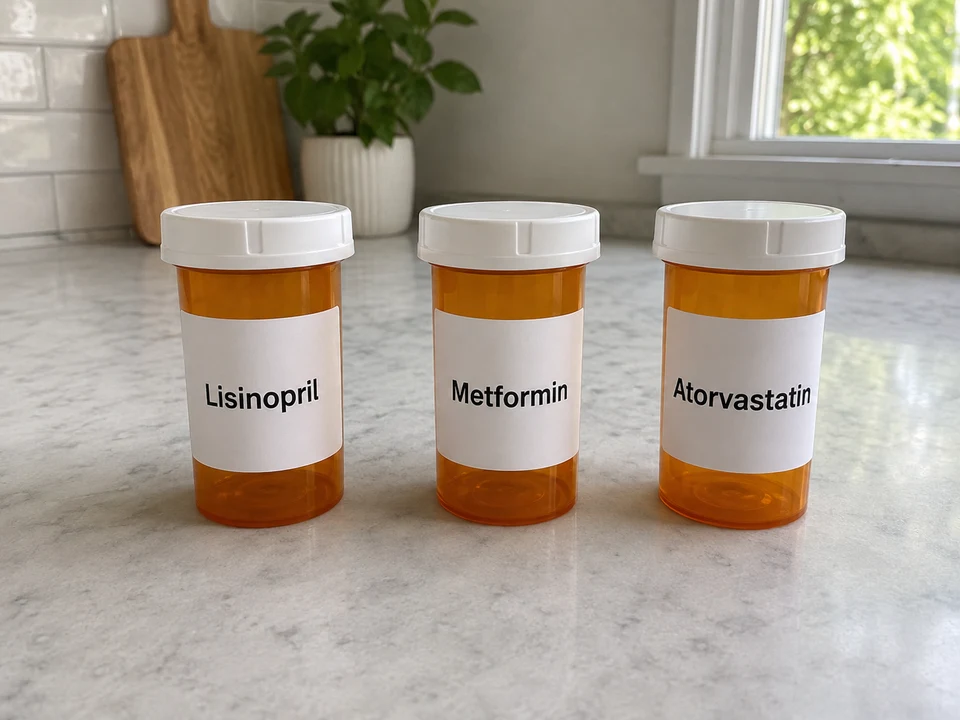
- An existing medicine running out: ask whether a bridge refill is appropriate until your regular appointment.
- A lab result or wellness question: understand what to follow up on and why.
- A work or school documentation need: discuss a note based on your clinical assessment.
The useful parts happen after “here is the plan.”
A prescription is only helpful if you can obtain it. When one is appropriate, you can choose your pharmacy and review available prices. Medication costs are separate from access to the clinical team and depend on the medicine, pharmacy and coverage.
If you need continuing care, Tap can help you find the right local connection: your existing doctor, a community health center, a specialist or another service. A federally qualified health center may be an important option for someone without insurance; that center determines eligibility and charges.
This is also relief for people who already have a doctor. Tap can address a need that cannot wait for the next available routine appointment, then connect the care back to that relationship.
Wellness belongs in the conversation, too.
Lab testing gives the care team more information to discuss with you. Weight-management care, including consideration of GLP-1 medicines when appropriate, can also begin with a clinical conversation and any required assessment or testing.
That does not mean everyone needs the same panel or medication. A licensed clinician considers your history, goals, risks and follow-up needs. Medicines are not automatically prescribed, and their costs and coverage are separate.
What should I confirm about my program?
Ask Tap which services and lab benefits your community or employer program includes, its care-team availability, and which services may have a separate charge. Imaging partnerships are being developed; confirm local availability and a written price before scheduling.
A connection to your health system—not a detour around it.
Keep the primary-care and specialist relationships you value. Tap helps with the unscheduled needs, unanswered questions and practical obstacles that can make those relationships harder to use.
If you are already eligible, save the contact now. If your community is considering Tap, explore the examples together. The service becomes easier to understand when you see an ordinary question turn into a useful plan.