
The hardest part can be knowing where to start.
It is late afternoon. Your child has a fever. The office is closing, your next shift starts soon, and you are deciding whether this can wait. What you need first is someone qualified to listen.
For other families, the question is quieter: a blood test they do not understand, a medication that will run out before the next appointment, or a new symptom they have been trying to ignore. The need is real even when an ambulance is not the right answer.
Tap begins with that moment. One familiar contact in your phone gives you a place to ask for help, without first having to decide which part of the health system you need.
A personal connection, made available to a community.
As a physician and health authority in Rockwall County, founder Dr. Dirk Perritt saw how often communities had an emergency response system but no easy, shared way to reach everyday medical care. He came to see a doctor’s phone number as one of the most valuable things a patient could have.
That kind of access is often associated with concierge medicine. Tap’s purpose is to make a connection to a medical team part of a community program, rather than something only a few households can arrange for themselves.
Residents in a participating program can text Tap. A physician, physician assistant or nurse practitioner introduces themselves, asks about the concern and helps decide what should happen next. The people on that team bring experience in emergency medicine; text-based care still has its own limits.
The conversation matters as much as the answer.
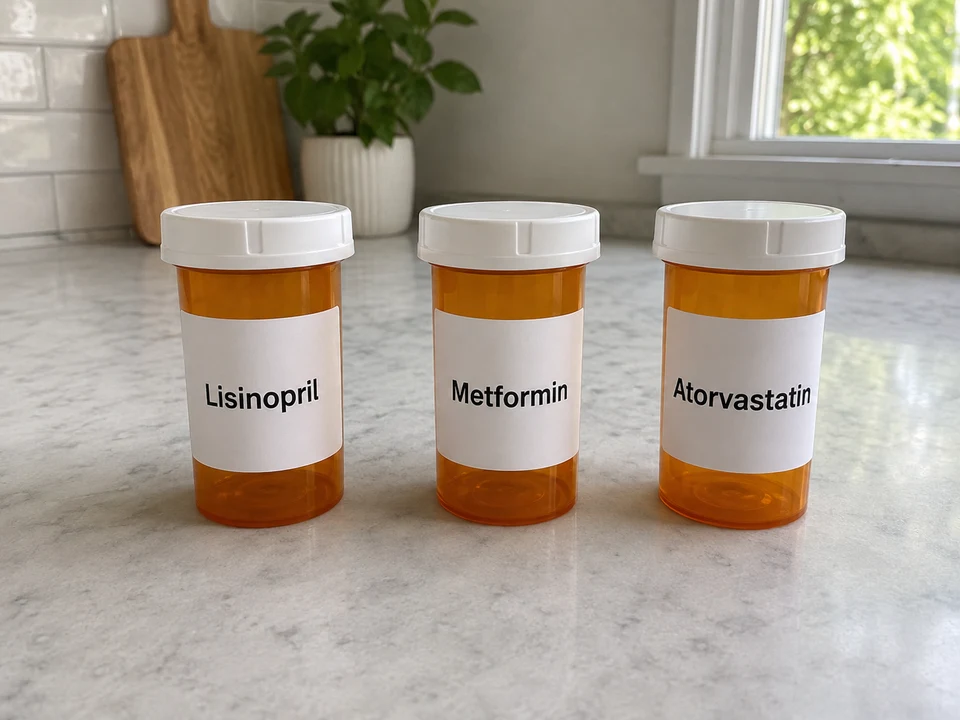
Sometimes the next step is treatment and a prescription. Sometimes it is advice, a doctor’s note, a lab order or help getting a local appointment. Sometimes the important answer is that you need to be seen in person.
The goal is to explain the plan in language you can use. If a prescription is appropriate, you can choose a pharmacy and compare available prices. If a result needs attention, you can ask what it means. Care feels different when there is somewhere to send the next question.
Does this replace my regular doctor?
No. Tap helps with the needs that arise between appointments and connects residents back to local primary care, health centers, specialists and other services. A virtual conversation cannot replace every examination or test. For an emergency, call 911.
A community can build the connection before it is needed.
A missed workday affects a household. When a child needs care, finding it can affect school attendance and a parent’s workday. A health concern with nowhere else to go can place more pressure on services the community already supports. These effects reach beyond one visit.
Community leaders can make access easier to find, explain how the program works and agree on a transparent way to fund it. Households should understand what is included, how participation works and where to get help.
Tap is available through participating community and employer programs. The first step is finding your program, saving the contact and knowing it is there. The next time a question comes up, you do not have to begin from zero.