
A health question rarely arrives on schedule
Picture a parent noticing a rash while getting a child ready for school. There is a shift to get to, a school bag by the door and a practical question: who can help work out what to do next? It is an illustrative situation, but the interruption is familiar.
Texting offers a simple way to begin that conversation. You can describe the concern in ordinary language and keep the exchange close at hand. The value comes from what follows: a clinical team asking useful questions and helping you understand the next step.
First, make sure you have the right access
Tap is available through participating community or employer arrangements, with separate local previews where offered. A city appearing in the employee partner directory does not mean that every resident has a community benefit. A resident-wide program must be adopted, and household eligibility still needs confirmation.
On the resident access page, choose your actual community. Tap prepares the appropriate contact options, and you can save its contact card for later. Selection helps start the conversation; it does not enroll a household or guarantee that a service is included.
If you receive Tap through work, use the access information provided for that benefit. If your community is not listed, the availability page offers a way to ask about bringing Tap there.
Start with a text. Continue in the way that helps.
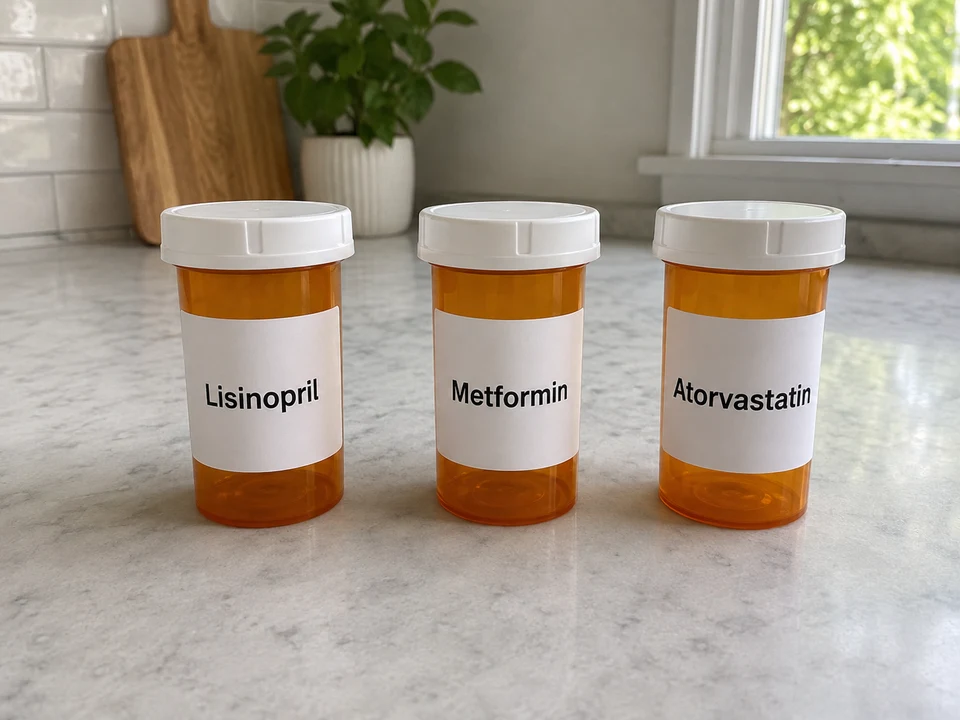
Hi, can you help? I’m almost out of my usual medication.
Let’s take a look together. First, I’ll confirm your details and ask a few questions about your medicine and how you’re feeling.
The text is the beginning of an assessment
The team needs more than the name of a symptom. Expect questions about when it began, what has changed, relevant health history and medicines. Clear details help the clinician decide what can be assessed remotely and what needs another kind of care.
Tap’s team includes physicians, physician assistants and nurse practitioners. Each role should be identified clearly, so you know who is involved. Text does not have to be the only channel: a photo may add useful information, and the conversation can continue by phone or video when appropriate.
The site’s sample visits show how that exchange can unfold. They are fictional demonstrations, not patient testimonials or promises that your concern will follow the same steps.
A useful answer can take several forms
Sometimes the next step is an explanation and a plan for checking progress. Sometimes it involves testing, a clinically appropriate prescription or coordination with local care. Sometimes the clinician needs you to be examined in person. You should understand both the recommendation and what to do if the situation changes.
Prescriptions depend on the assessment and applicable service limits. Medication, imaging, outside appointments or other services may have separate costs unless your program expressly includes them. Ask about those details before assuming that a text benefit pays for everything that follows.
Tap also does not replace the ongoing relationship with your regular clinician. Sharing relevant information and following the agreed plan helps keep care connected.
Keep emergencies on their own path
For a medical emergency, call 911 immediately. Do not wait for a text response, complete a community selection or try a sample visit first. Tap’s messaging service is not emergency dispatch and cannot provide the equipment, examination or immediate response of an emergency department or ambulance.
For appropriate concerns, the convenience is practical: a saved number, a place to explain what is happening and a conversation you can return to. Response times and available services depend on the program and clinical situation; this is not a promise of instant access.
Try one of the sample visits to see the questions, photo tools and follow-up in context. Then use resident access to find the right contact path for your own community.