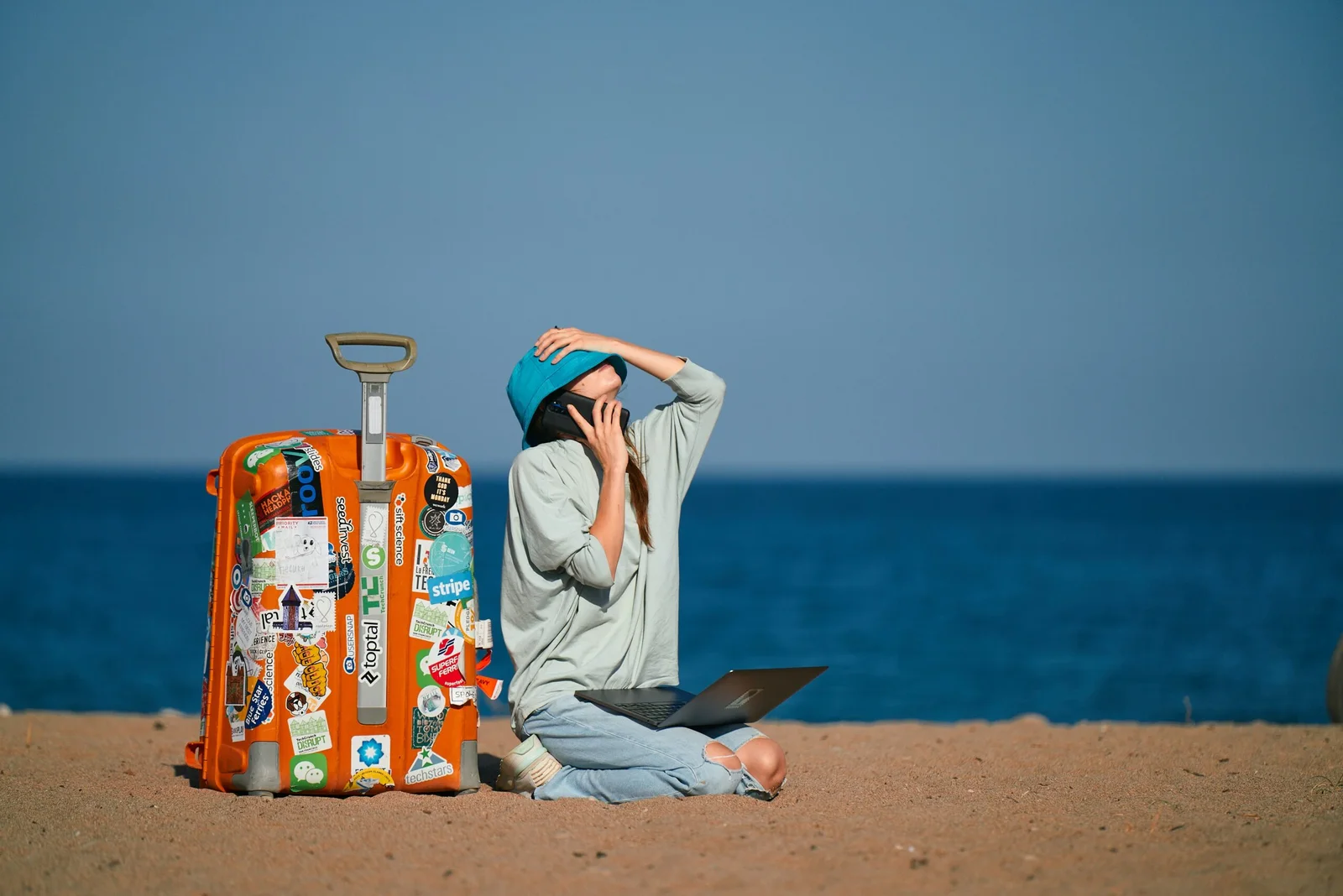

Every spring, millions of people trade the joy of warmer weather for a relentless cycle of sneezing, itchy eyes, and foggy heads. You’re not imagining it and you’re definitely not alone.
What Are Seasonal Allergies?
Seasonal allergies, also called hay fever or allergic rhinitis, happen when your immune system mistakenly identifies harmless airborne particles, like pollen, as a threat. Your body launches a defense, releasing histamine and other chemicals that trigger the familiar symptoms: runny nose, itchy eyes, sneezing, and congestion.
In short, your immune system is just doing its job a little too enthusiastically. The good news is that with the right strategies, you can take back control of your spring.
What’s Blooming in May & June?
Late spring is peak misery season for allergy sufferers in much of the U.S. Here’s what’s floating around:
🌾 Grass Pollen — The #1 culprit in May and June. Bermuda, timothy, and Kentucky bluegrass are among the biggest offenders. Peaks on warm, windy days.
🌳 Tree Pollen — Oak, elm, and mulberry trees wrap up their pollen season in May. If trees hit you hard in March–April, you’re in the home stretch.
🌿 Mold Spores — Warm, humid conditions after spring rains create ideal conditions for outdoor mold. Often overlooked, mold is a year-round player that peaks in spring and fall.
💨 Weed Pollen — Plantain and nettle weeds start releasing pollen in late spring, setting the stage for the ragweed season ahead in late summer.
Tips & Tricks to Stay Ahead of Symptoms
You can’t stop the pollen, but you can absolutely reduce your exposure and manage your body’s reaction to it.
- Check pollen counts daily. Weather apps and sites like pollen.com show real-time counts. On high-pollen days, keep windows closed and limit outdoor time, especially between 5–10am when counts peak.
- Shower after being outdoors. Pollen clings to your hair, skin, and clothes. A quick rinse before bed keeps it off your pillow and out of your airways overnight.
- Try over-the-counter antihistamines. Non-drowsy options like cetirizine (Zyrtec) or loratadine (Claritin) can significantly reduce symptoms when taken consistently. Nasal steroid sprays like Flonase are also very effective for congestion.
- Keep indoor air clean. Use HEPA air purifiers in bedrooms. Change your HVAC filters regularly and keep windows shut on high-pollen days. Your home should be your sanctuary.
- Wear sunglasses outside. Wraparound sunglasses block airborne pollen from reaching your eyes — one of the simplest and most overlooked tricks.
- Stay hydrated. Drinking plenty of water helps thin mucus secretions, making it easier for your body to clear irritants.
- Know when allergies become something more. Untreated allergies can lead to sinus infections, ear infections, or worsen asthma. If symptoms progress to things like fever, facial pain, yellow/green discharge, it’s time to talk to a provider.
Not Sure If It’s Allergies or Something Else?
A TAP provider can help you figure out what’s going on in just minutes. No waiting room. No appointment. Just a text.
This article is for general wellness information only and is not a substitute for personalized medical advice. If your symptoms are severe or you have concerns, please consult a licensed healthcare provider.
Originally published by Tap on April 30, 2026. This article is shared for general information; individual care and program terms may differ.
Explore more Tap articles