
Warmer weather means more time outside; and that’s a wonderful thing. But the same sun that brightens your mood can do serious damage to your skin if you’re not paying attention. Here’s what you need to know.
What Are UV Rays, Exactly?
Ultraviolet (UV) radiation is energy emitted by the sun that exists just beyond the visible light spectrum. You can’t see it, but your skin absolutely feels it. There are three types; and not all of them reach you in the same way:
- UVA — Penetrates deep into the skin. Responsible for tanning, premature aging, and wrinkles. Present all year, even on cloudy days.
- UVB — The burn ray. Hits the skin’s surface and causes sunburns. Strongest in summer between 10am–4pm. Primary driver of skin cancer risk.
- UVC — The most dangerous type but it’s absorbed by the ozone layer and doesn’t reach the earth’s surface. Not a concern for everyday sun exposure.
Both UVA and UVB rays damage the DNA in your skin cells. Over time, this damage accumulates and can lead to premature aging, cataracts, and skin cancer (the most commonly diagnosed cancer in the United States). The good news? It’s almost entirely preventable.
Cloudy Day? You’re Still Getting UV. Up to 80% of UV rays pass right through cloud cover. Don’t let an overcast sky give you a false sense of security. Sunscreen is a daily habit, not just a beach day habit.
How to Protect Yourself (and Your Family)
The good news: protecting yourself from UV damage is straightforward and doesn’t require a lot of fuss. Build these habits now and your future self will thank you.
🧴 Sunscreen Every Day — Use broad-spectrum SPF 30 or higher. Apply 15–20 minutes before going outside and reapply every 2 hours or immediately after swimming or sweating. Don’t forget ears, neck, and the backs of hands.
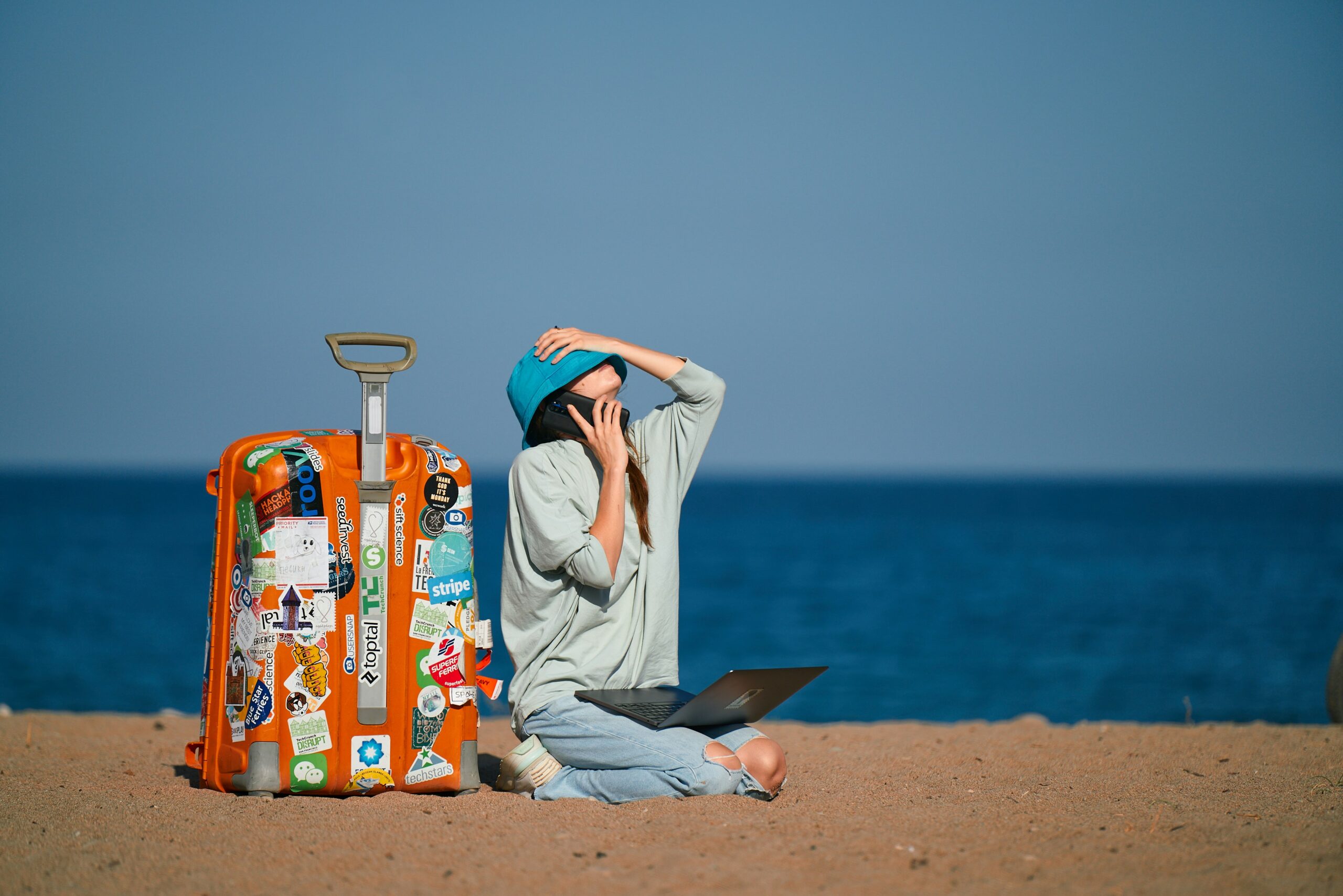
🎩 Cover Up — A wide-brimmed hat shades your face, neck, and ears (three of the most sun-exposed areas). UV-protective clothing (UPF-rated) adds an extra layer of defense on long days outside.
🕶️ Protect Your Eyes — UV exposure can damage the eyes too, increasing the risk of cataracts and macular degeneration. Look for sunglasses labeled 100% UVA/UVB protection or UV400.
🏖️ Seek Shade Strategically — UV rays are most intense between 10am and 4pm. If you’re spending extended time outside, plan shade breaks during peak hours. Beach umbrellas, trees, and covered areas all help.
👶 Protect Kids First — Children’s skin is more sensitive and sun damage accumulates from an early age. Apply SPF 30+ to any exposed skin before outdoor play even for short outings.
💧 Stay Hydrated — Sun exposure and heat increase sweat and fluid loss. Drink plenty of water throughout the day. Dehydration worsens heat-related illness and impairs your body’s ability to cool itself.
🪞 Check Your Skin — A monthly self-exam helps you spot changes early. Look for new moles, spots that change in size or color, or sores that don’t heal. When in doubt, a doctor can take a look.
🚫 Skip the Tanning Bed — Tanning beds emit concentrated UVA radiation with no benefit and significant risk. There is no such thing as a “safe tan” from artificial sources.
If You Do Get Burned
Sunburns happen, especially early in the season when we’re not yet in the habit. If you get one, cool the skin with a damp cloth or cool water, apply aloe vera or a moisturizing lotion, stay hydrated, and take ibuprofen or acetaminophen for pain. Avoid re-exposing burned skin to the sun while it heals.
If blisters form, you’re feverish, or a large area of your body is burned, those are signs you need medical attention sooner rather than later.
Burned? Concerned About a Spot? Just Text.
A TAP physician can help assess your symptoms, recommend treatment, or let you know if something needs a closer look… all over text, in minutes. No waiting room required.
This article is for general health information and is not a substitute for personalized medical advice. For specific concerns about your skin or sun-related illness, please consult a licensed healthcare provider.