

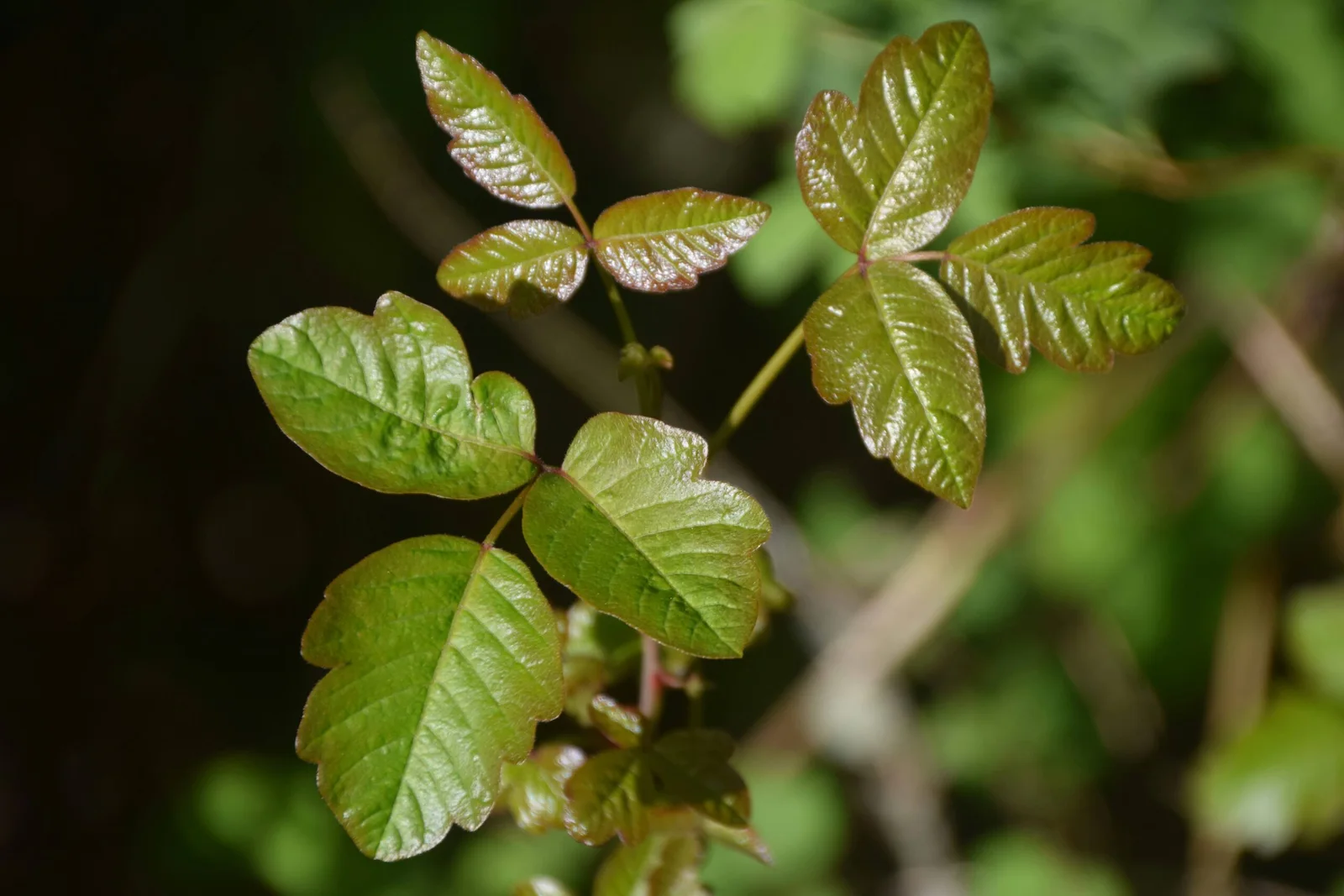
Gardening season is in full swing, and for many people that means more time outdoors pulling weeds, trimming brush, and working in the yard. It also means a higher chance of coming into contact with two of the most common and irritating plants in North America: Poison Ivy and Poison Oak.
What Are Poison Ivy and Poison Oak?
Poison ivy and poison oak are flowering plants found across most of the United States. Both contain an oily resin called urushiol, which is the substance responsible for the itchy, blistering rash most people associate with these plants. Urushiol is found in every part of the plant from the leaves and stems to the roots and berries. It remains potent even on dead plants.
Contact does not have to be direct. Urushiol can transfer from gardening gloves, tools, pet fur, or clothing to your skin without you ever touching the plant itself. It can also become airborne if the plants are burned, which makes inhaling the smoke genuinely dangerous.
How to Identify Them
Knowing what to look for is your first and best line of defense.
Poison Ivy follows the well-known rule: leaves of three, let it be. Each leaf cluster contains three pointed leaflets, with the middle leaflet on a slightly longer stem than the two side leaflets. The leaves are green in spring and summer, turning red, orange, or yellow in the fall. The plant can grow as a ground cover, a shrub, or a climbing vine. Climbing vines are often covered in small hair-like fibers that grip tree bark.
Poison Oak also grows in clusters of three leaflets, but the leaves have a more rounded, lobed shape that resembles oak leaves (hence the name). It is more common in the western United States and tends to grow as a shrub rather than a vine, though it can climb as well. Like poison ivy, the leaves change color in the fall.
A few things both plants have in common: small clusters of white or yellowish berries, waxy or slightly shiny leaves, and a tendency to thrive along the edges of wooded areas, trails, fence lines, and garden beds.
What Does the Rash Look Like?
The reaction to urushiol is an allergic contact dermatitis, meaning your immune system is reacting to the oil. Symptoms typically appear within 12 to 72 hours of contact and include redness, swelling, intense itching, and fluid-filled blisters. The rash often appears in streaks or patches that reflect where the plant or oil made contact with the skin.
A common misconception is that scratching the rash spreads it. The rash itself is not contagious, and the fluid from blisters does not spread urushiol. However, if urushiol remains on your skin, clothing, or tools, it can continue to cause new reactions in new areas.
Reactions vary widely from person to person. Some people have mild symptoms that resolve on their own. Others have severe reactions requiring medical treatment. Sensitivity can also increase with repeated exposures over time, so someone who never reacted before may develop a strong reaction later in life.
How to Protect Yourself in the Garden
A little preparation goes a long way when working in areas where these plants might be present.
- Learn to identify the plants and scout your yard. Walk your garden and property lines at the start of the season and identify any suspect plants before you start working. Early spring, when leaves are just emerging, can be a tricky time to identify them, so err on the side of caution with any unfamiliar three-leaflet plant.
- Cover up before you go out. Wear long sleeves, long pants, gloves, and closed-toe shoes when working in areas where exposure is possible. Tuck pants into socks for extra coverage.
- Use barrier creams. Over-the-counter products like IvyBlock can be applied to exposed skin before outdoor work and help prevent urushiol from absorbing into the skin.
- Wash up immediately after potential exposure. Urushiol can be washed off the skin if you act quickly. Use soap and cool water and wash thoroughly within 30 minutes of potential contact. Wash under the fingernails as well. Hot water can open pores and increase absorption, so stick to cool water for the initial rinse.
- Wash everything that may have touched the plant. Clothing, gloves, tools, and even pet fur can carry urushiol for a long time after contact. Wash clothes in hot water separately from other laundry and clean tools with rubbing alcohol or soapy water.
- Never burn poison ivy or oak. Burning these plants releases urushiol into the smoke, which can cause severe reactions in the lungs, throat, and eyes. If you need to remove a large amount of the plant, contact a professional.
How to Treat the Rash
If you do end up with a reaction, here is what helps.
For mild cases, over-the-counter hydrocortisone cream, calamine lotion, and oral antihistamines like Benadryl can help manage itching and inflammation. Cool compresses provide temporary relief. Keep the affected area clean and try to avoid scratching, as breaking blisters open increases the risk of secondary infection.
For moderate to severe cases, symptoms include widespread rash, significant swelling, blistering on the face or genitals, or any difficulty breathing. In these instances, prescription treatment is needed. Oral or injected corticosteroids are commonly prescribed and can significantly speed up recovery and reduce the severity of the reaction.
Not Sure If It Is Poison Ivy or Something Else
A TAP provider can review your symptoms and get a prescription sent to your pharmacy in minutes. No waiting room. No appointment. A doctor is just a TAP away.
This article is for general health information only and is not a substitute for personalized medical advice. If you are experiencing severe symptoms including facial swelling or difficulty breathing, please seek in-person medical care promptly.
Originally published by Tap on May 13, 2026. This article is shared for general information; individual care and program terms may differ.
Explore more Tap articles