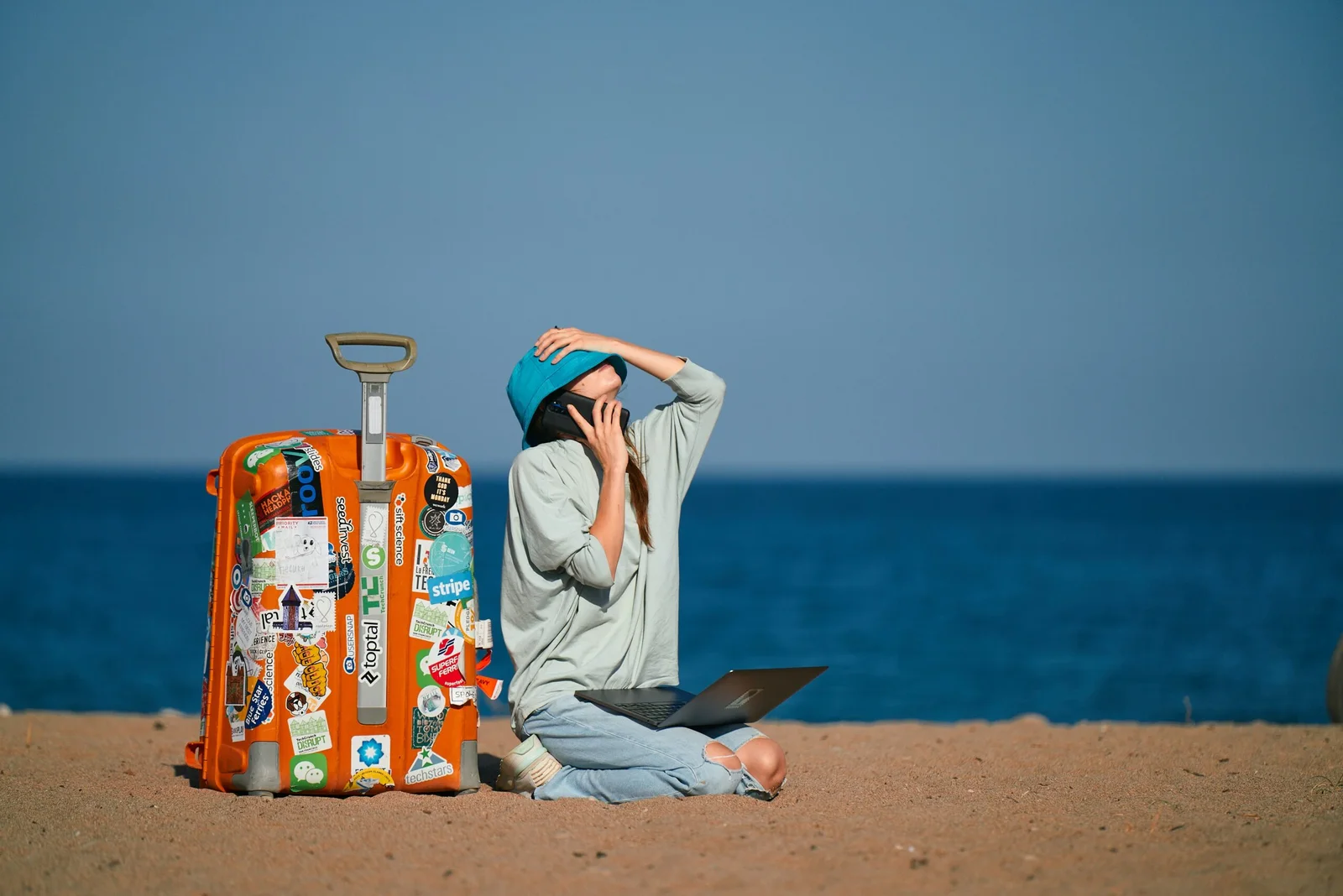
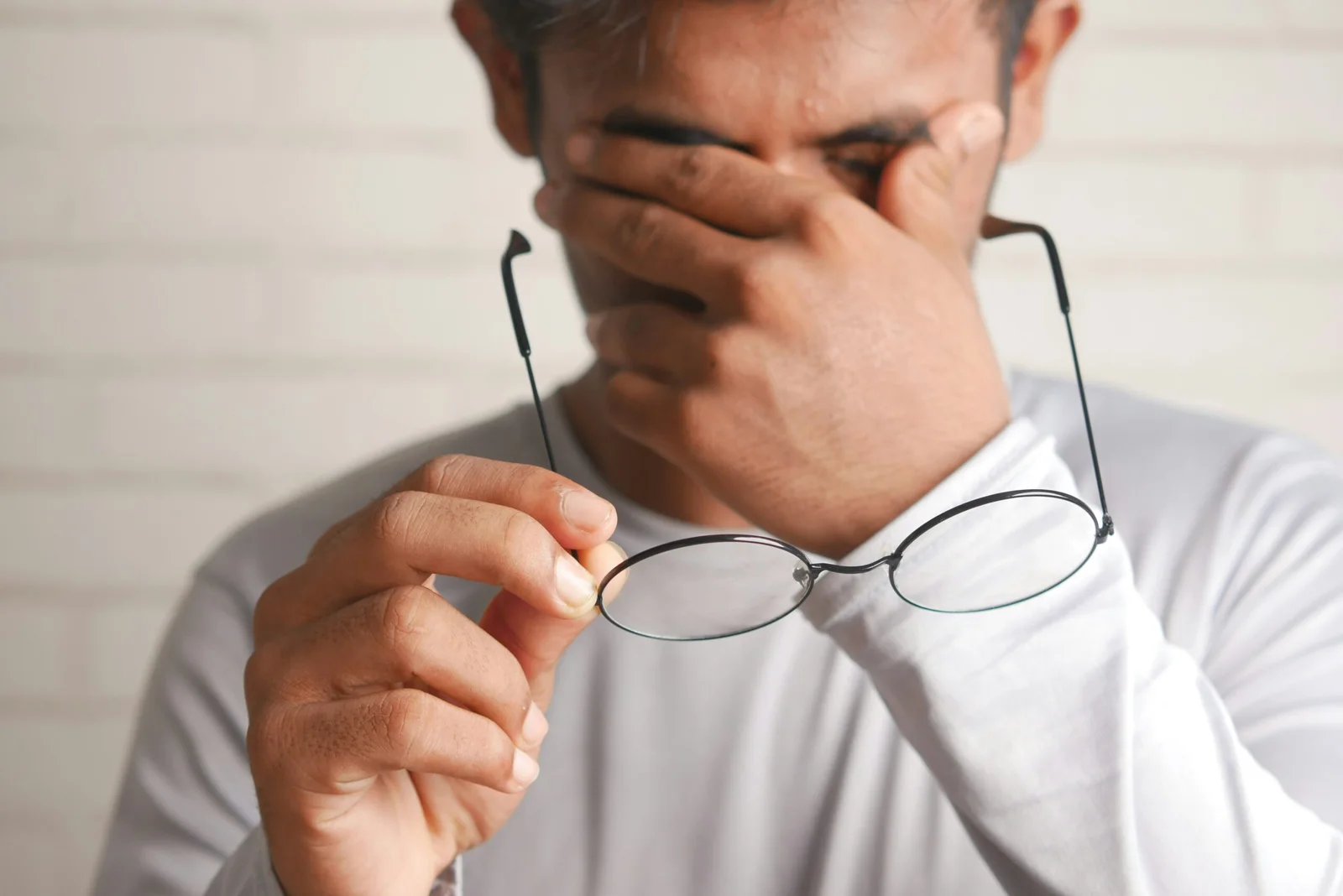
Summer brings longer days, more time outdoors, and unfortunately no break from the screens that dominate most of our waking hours. Eye strain is one of the most common and most overlooked health complaints of the season, and it tends to get worse when sun glare, heat, and screen time all pile up at once.
What Is Eye Strain?
Eye strain, also called asthenopia, is not a disease or a structural problem with your eyes. It is a symptom of overwork. When the muscles around your eyes are asked to focus, adjust, and compensate for extended periods without rest, they fatigue just like any other muscle in your body. The result is a collection of symptoms that can range from mildly annoying to genuinely disruptive.
Common symptoms of eye strain include tired or sore eyes, blurred or double vision, headaches, difficulty concentrating, increased sensitivity to light, and a burning or dry sensation in the eyes. In most cases, symptoms improve with rest. But if the underlying habits do not change, eye strain becomes a recurring problem that compounds over time.
Screen Time and Digital Eye Strain
Digital eye strain, sometimes called computer vision syndrome, is the most common form of eye strain in modern life. Staring at a screen requires your eyes to constantly focus and refocus, process flickering light, manage glare and reflections, and maintain a fixed focal distance for long stretches of time. None of this is what human eyes were designed to do for hours on end.
One of the biggest contributors to digital eye strain is reduced blinking. Studies have shown that people blink significantly less often when looking at a screen compared to other activities. Blinking is how your eyes stay lubricated, so reduced blinking leads directly to dryness, irritation, and fatigue.
Summer can make this worse in a few specific ways. More daylight means screens are often competing with bright ambient light, which increases glare and forces your eyes to work harder. Working near windows, on patios, or in any environment with strong natural light without proper screen adjustment puts added stress on your visual system.
Sun Glare and Outdoor Eye Strain
Outdoor eye strain gets less attention than its digital counterpart but is just as real, particularly in summer. Bright sunlight, especially when reflected off water, sand, pavement, or car surfaces, produces intense glare that forces your pupils to constrict and your eye muscles to compensate continuously.
Spending extended time in bright conditions without adequate eye protection causes fatigue, squinting, headaches, and temporary difficulty adjusting to lower light conditions when you go back indoors. Over time, unprotected UV exposure is also linked to more serious eye health concerns including cataracts, macular degeneration, and damage to the surface of the eye called photokeratitis, which is essentially a sunburn on the cornea.
How to Reduce Digital Eye Strain
A few practical adjustments make a significant difference for people who spend long hours in front of screens.
- Follow the 20-20-20 rule. Every 20 minutes, look at something at least 20 feet away for at least 20 seconds. This gives the muscles responsible for near focus a chance to relax and reduces cumulative fatigue throughout the day.
- Adjust your screen settings. Reduce screen brightness so it is closer to the ambient light level in the room. Increase text size if you find yourself leaning toward the screen. Many devices also offer a night mode or warm color setting that reduces blue light exposure, which can be particularly helpful in the evenings.
- Position your screen correctly. Your screen should ideally be about an arm’s length away and positioned slightly below eye level. Looking slightly downward reduces the amount of eye surface exposed and can help with dryness.
- Manage glare from windows. If you work near a window, position your screen so the window is to the side rather than directly behind or in front of you. Blinds, curtains, or an anti-glare screen cover can help significantly.
- Use artificial tears. Over-the-counter lubricating eye drops can help combat dryness from reduced blinking. Look for preservative-free options if you plan to use them frequently throughout the day.
- Take real breaks. The 20-20-20 rule addresses focus fatigue, but stepping away from the screen entirely for a few minutes every hour is also worthwhile. Stand up, move around, and give your visual system a genuine rest.
How to Protect Your Eyes Outdoors
Sun protection for your eyes is just as important as sunscreen for your skin, and it is just as commonly skipped.
- Wear sunglasses with 100% UVA and UVB protection. Not all sunglasses block UV rays. Look for lenses labeled UV400 or 100% UVA/UVB protection. Lens darkness has nothing to do with UV protection, so a dark lens without a UV rating is not doing the job you think it is.
- Choose wraparound styles for extended outdoor time. Standard frames leave a significant amount of the eye exposed to light coming in from the sides. Wraparound or close-fitting frames offer substantially better coverage for activities like hiking, boating, or cycling.
- Wear a hat. A wide-brimmed hat reduces the amount of direct and reflected sunlight reaching your eyes and is an easy complement to sunglasses, particularly around water or in open environments.
- Use polarized lenses near water or pavement. Polarized lenses reduce horizontal glare from reflective surfaces, which is the most fatiguing type of glare for the eyes. They are particularly valuable for driving, fishing, or any activity near water.
- Give your eyes time to adjust. Moving quickly between very bright and very dark environments stresses the visual system. When coming indoors from bright sunlight, give your eyes a moment to adjust rather than immediately returning to a screen.
When Eye Strain Might Be Something More
Eye strain from screens and sun exposure is common and generally not dangerous. But there are symptoms that go beyond typical fatigue and deserve a closer look.
See a provider if you experience sudden changes in vision, persistent blurred vision that does not resolve with rest, significant eye pain rather than just discomfort and fatigue, seeing flashes of light or new floaters, or eye strain symptoms that are not improving despite making adjustments to your habits. These can sometimes indicate underlying conditions that are unrelated to screen time or sun exposure and are worth evaluating properly.
Have a Health Question You Want a Quick Answer To?
A TAP provider can review your symptoms and get a prescription sent to your pharmacy in minutes. No waiting room. No appointment. A doctor is just a TAP away.
This article is for general health information only and is not a substitute for personalized medical advice. If you are experiencing sudden vision changes, significant eye pain, or any symptoms that concern you, please consult a licensed healthcare provider promptly.
Originally published by Tap on June 23, 2026. This article is shared for general information; individual care and program terms may differ.
Explore more Tap articles