

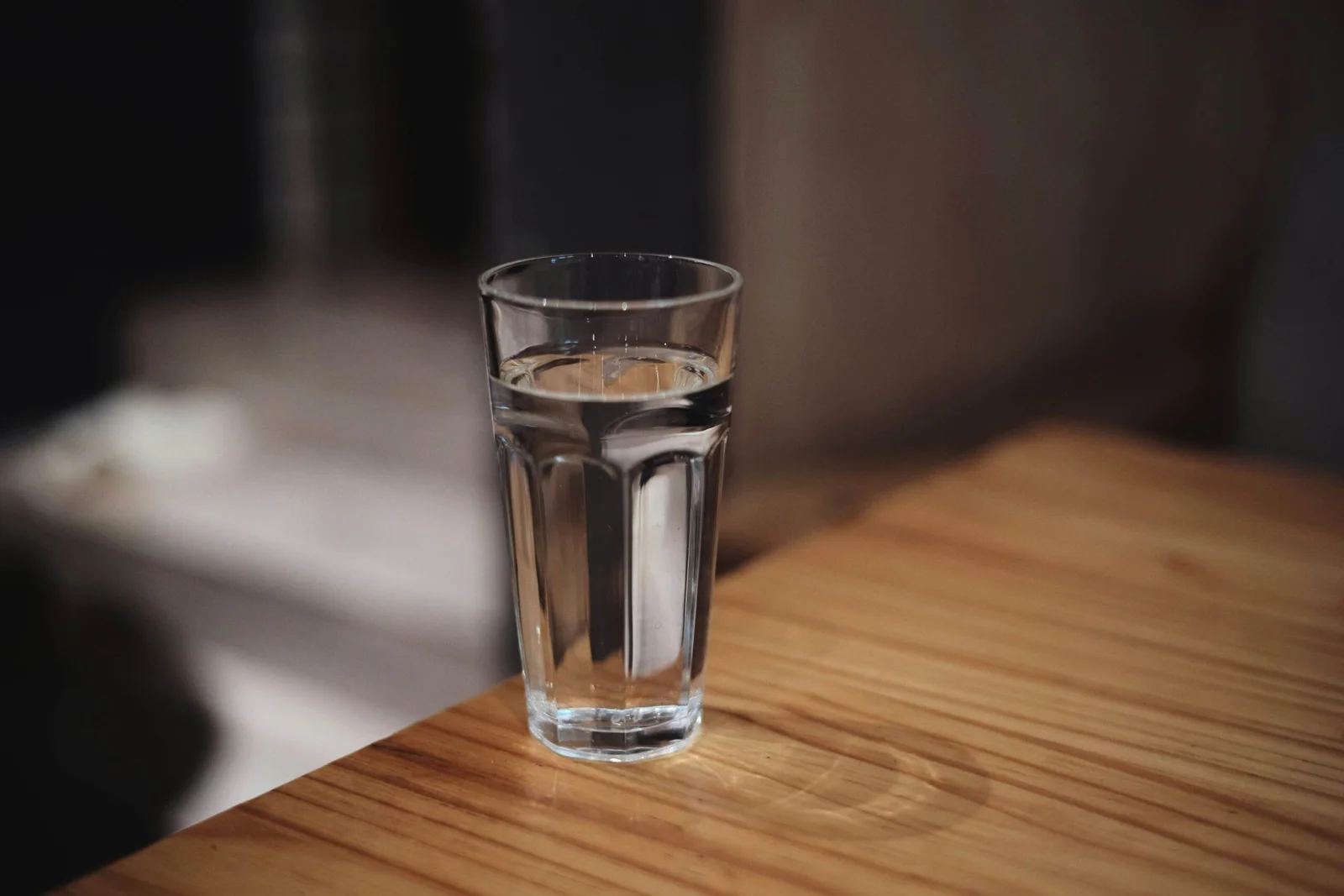
You have heard it your whole life: drink eight glasses of water a day. But where did that number come from, and is it actually true? The science of hydration is more nuanced than the old rule suggests, and a few common myths may be getting in the way of how you think about it.
Where Did “8 Glasses a Day” Come From?
The eight glasses a day rule has been repeated so often that most people assume it is grounded in solid research. It is not, at least not in the way people think.
The origin is often traced to a 1945 recommendation from the U.S. Food and Nutrition Board, which suggested that people consume about 2.5 liters of water daily. What most people missed was the very next sentence, which noted that most of that quantity is contained in prepared foods. The guideline was never meant to suggest you needed to drink eight separate glasses of plain water on top of everything else you eat and drink throughout the day.
Decades of repetition turned a nuanced guideline into a hard rule, and the rule stuck. The reality is that hydration needs vary significantly from person to person based on body size, activity level, climate, diet, and overall health.
How Much Water Do You Actually Need?
Current guidance from the National Academies of Sciences suggests a total daily water intake of about 3.7 liters for men and 2.7 liters for women. That sounds like a lot until you realize that total water intake includes water from all beverages and food, not just plain water you drink from a glass.
A significant portion of daily hydration comes from food. Fruits and vegetables in particular have very high water content. Cucumbers, celery, watermelon, strawberries, and oranges are largely water by weight. A diet rich in these foods contributes meaningfully to your daily hydration without you ever filling up a glass.
The honest answer to how much water you need is: it depends. Your body is generally quite good at signaling thirst when it needs fluids. For most healthy adults in moderate climates doing moderate activity, drinking when you are thirsty and paying attention to the color of your urine is a perfectly reasonable approach. Pale yellow is the target. Dark yellow or amber is a sign to drink more.
Common Hydration Myths, Addressed
Myth: Coffee and tea dehydrate you.
This one has been repeated for years and it is largely not true. Caffeinated beverages do have a mild diuretic effect, meaning they can increase urine output slightly. However, the fluid you take in from a cup of coffee or tea more than offsets any diuretic effect at normal consumption levels. Research has consistently shown that moderate coffee and tea intake contributes positively to daily fluid intake. You do not need to subtract your morning coffee from your hydration tally.
Myth: If you are thirsty, you are already dehydrated.
This is a popular one in fitness circles but it overstates the case for most people. Thirst is a normal and functional signal, not a warning sign that you have already fallen behind. For healthy adults going about their daily routine, drinking in response to thirst is a reliable and well-supported approach to hydration. The caveat is that during intense exercise in hot weather, thirst can lag slightly behind actual fluid needs, so in those situations it is worth drinking proactively rather than waiting.
Myth: Sports drinks are necessary for hydration.
Sports drinks were designed for prolonged, intense physical exertion where significant electrolytes are lost through sweat. For a 45-minute walk or a typical workout, plain water is all you need. Sports drinks contain sugar and calories that are unnecessary for moderate activity. They have their place, but that place is not every workout.
Myth: You need to drink a certain amount regardless of what you eat.
As mentioned above, food contributes significantly to hydration. Someone who eats a diet rich in fruits, vegetables, soups, and other high-moisture foods has meaningfully different hydration needs from someone eating a diet of mostly dry, processed food. There is no universal number that applies equally to everyone.
Myth: Drinking more water will clear up your skin.
Adequate hydration is important for overall health, and chronic dehydration can affect skin appearance. But the idea that drinking extra water beyond your normal needs will noticeably improve skin tone or reduce acne is not well supported by research. Skin health is influenced by many factors, and hydration is just one piece of a larger picture.
Signs You Are Not Drinking Enough
While rigid rules are not particularly useful, there are real signs that your body needs more fluid.
- Dark urine. The simplest and most reliable indicator. Aim for pale yellow throughout the day.
- Persistent headaches. Mild dehydration is a common and underappreciated headache trigger.
- Fatigue and difficulty concentrating. Even mild fluid deficits can affect energy levels and cognitive performance.
- Dry mouth and lips. An early and straightforward signal that your body wants more fluid.
- Muscle cramps. Particularly during or after physical activity, cramping can indicate that fluids and electrolytes need replenishing.
What Actually Counts Toward Your Daily Hydration
The short answer is: most things you drink, and a lot of what you eat.
Water is the gold standard and the easiest choice. But milk, herbal tea, juice, broth, and yes, coffee and regular tea all contribute to your daily fluid intake. Even beverages with a small amount of alcohol contribute some fluid, though alcohol does have a diuretic effect at higher quantities and is not a reliable hydration source.
Whole fruits and vegetables, yogurt, oatmeal, soups, and smoothies all contain significant water and count toward your overall intake. Eating well and drinking regularly throughout the day is a far more practical and accurate approach to hydration than counting glasses.
The Bottom Line
Eight glasses of plain water a day is not a medical requirement for most people. Your actual hydration needs depend on who you are, what you eat, where you live, and what you are doing. Drink when you are thirsty, eat plenty of fruits and vegetables, check your urine color occasionally, and increase your intake when you are active, in the heat, or feeling under the weather.
Hydration is not complicated. It just got overcomplicated somewhere along the way.
Have a Health Question You Want a Quick Answer To
A TAP provider can review your symptoms and get a prescription sent to your pharmacy in minutes. No waiting room. No appointment. A doctor is just a TAP away.
This article is for general health information only and is not a substitute for personalized medical advice. If you have concerns about a health condition related to hydration or fluid balance, please consult a licensed healthcare provider.
Originally published by Tap on June 1, 2026. This article is shared for general information; individual care and program terms may differ.
Explore more Tap articles